
About Five Easy Pieces
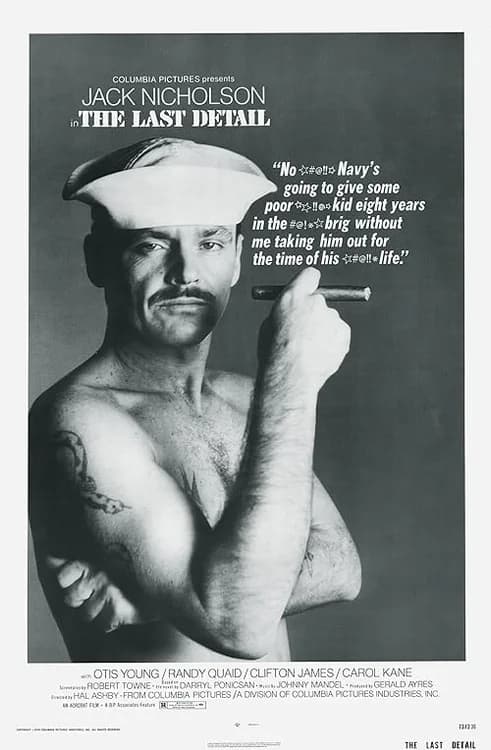
Five Easy Pieces stands as one of the defining American films of the early 1970s, a poignant character study that captures the era's restless disillusionment. Directed by Bob Rafelson, the film features a career-defining performance from Jack Nicholson as Robert Dupea, a former piano prodigy from an intellectual family who has deliberately shed his privileged background. He works on oil rigs, drinks heavily, and engages in transient relationships, embodying a profound sense of alienation.
The plot is deceptively simple, driven by Robert's journey back to his family's home in the Pacific Northwest after learning of his father's illness. This return forces him to confront the world he rejected—a world of classical music and high culture represented by his estranged sister and brother. The film's brilliance lies in its quiet observation and emotional authenticity, particularly in the now-iconic diner scene where Robert's frustration with societal constraints erupts.
Nicholson's performance is masterful, balancing raw charisma with deep vulnerability. The supporting cast, including Karen Black as his waitress girlfriend Rayette, adds layers of complexity to Robert's struggle between responsibility and freedom. Rafelson's direction is subtle and insightful, avoiding melodrama to focus on the nuances of human behavior.
Viewers should watch Five Easy Pieces for its timeless exploration of identity, class, and the search for meaning. It's a film that resonates deeply with anyone who has ever felt out of place in their own life. Its honest portrayal of a man caught between two worlds remains powerfully relevant, making it essential viewing for fans of character-driven drama.
The plot is deceptively simple, driven by Robert's journey back to his family's home in the Pacific Northwest after learning of his father's illness. This return forces him to confront the world he rejected—a world of classical music and high culture represented by his estranged sister and brother. The film's brilliance lies in its quiet observation and emotional authenticity, particularly in the now-iconic diner scene where Robert's frustration with societal constraints erupts.
Nicholson's performance is masterful, balancing raw charisma with deep vulnerability. The supporting cast, including Karen Black as his waitress girlfriend Rayette, adds layers of complexity to Robert's struggle between responsibility and freedom. Rafelson's direction is subtle and insightful, avoiding melodrama to focus on the nuances of human behavior.
Viewers should watch Five Easy Pieces for its timeless exploration of identity, class, and the search for meaning. It's a film that resonates deeply with anyone who has ever felt out of place in their own life. Its honest portrayal of a man caught between two worlds remains powerfully relevant, making it essential viewing for fans of character-driven drama.