About The Shining
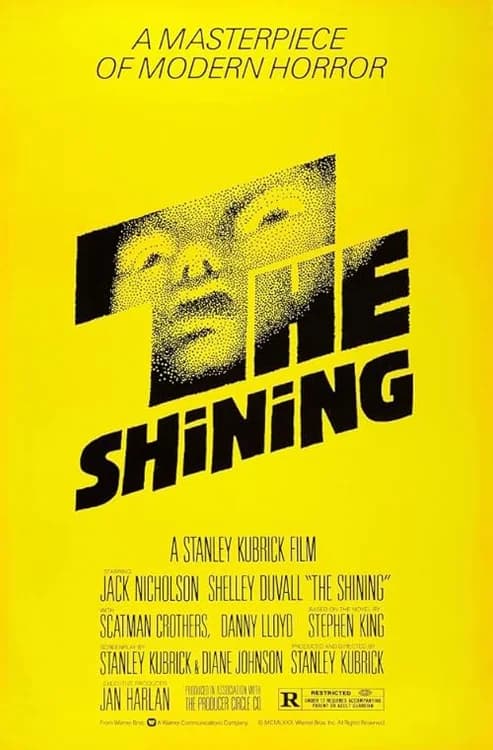
Stanley Kubrick's 1980 psychological horror masterpiece 'The Shining' remains one of cinema's most chilling and analyzed films. Based on Stephen King's novel, the film follows Jack Torrance (Jack Nicholson in a career-defining performance) as he accepts a winter caretaker position at the isolated Overlook Hotel with his wife Wendy (Shelley Duvall) and psychic son Danny (Danny Lloyd). What begins as a peaceful retreat descends into a nightmare as the hotel's sinister history and supernatural forces gradually unravel Jack's sanity, while Danny's psychic abilities - personified through his imaginary friend Tony - reveal horrifying visions of past atrocities and impending violence.
Kubrick's meticulous direction creates an atmosphere of creeping dread that has influenced generations of horror filmmakers. Every technical element - from the iconic Steadicam shots following Danny through empty corridors to the unsettling score and production design - contributes to the film's oppressive atmosphere. Nicholson delivers one of cinema's most memorable performances, his gradual transformation from frustrated writer to homicidal madman both terrifying and tragic. Duvall's portrayal of escalating terror remains remarkably authentic, creating genuine tension in their increasingly violent interactions.
Beyond its surface horror, 'The Shining' operates as a profound exploration of isolation, addiction, family trauma, and the ghosts of American history. The film's ambiguous symbolism and layered meanings continue to fuel analysis and debate decades later. For viewers seeking more than cheap scares, this is horror as high art - a visually stunning, psychologically complex, and deeply unsettling experience that rewards repeated viewing. Whether you're discovering it for the first time or revisiting its mysteries, Kubrick's chilling vision remains essential viewing for any film enthusiast.
Kubrick's meticulous direction creates an atmosphere of creeping dread that has influenced generations of horror filmmakers. Every technical element - from the iconic Steadicam shots following Danny through empty corridors to the unsettling score and production design - contributes to the film's oppressive atmosphere. Nicholson delivers one of cinema's most memorable performances, his gradual transformation from frustrated writer to homicidal madman both terrifying and tragic. Duvall's portrayal of escalating terror remains remarkably authentic, creating genuine tension in their increasingly violent interactions.
Beyond its surface horror, 'The Shining' operates as a profound exploration of isolation, addiction, family trauma, and the ghosts of American history. The film's ambiguous symbolism and layered meanings continue to fuel analysis and debate decades later. For viewers seeking more than cheap scares, this is horror as high art - a visually stunning, psychologically complex, and deeply unsettling experience that rewards repeated viewing. Whether you're discovering it for the first time or revisiting its mysteries, Kubrick's chilling vision remains essential viewing for any film enthusiast.